Antique objects and curiosities occupy a special place in our relationship to the past and the imagination. They are not merely material things: they are witnesses to time , fragments of history, and sometimes even sources of wonder.
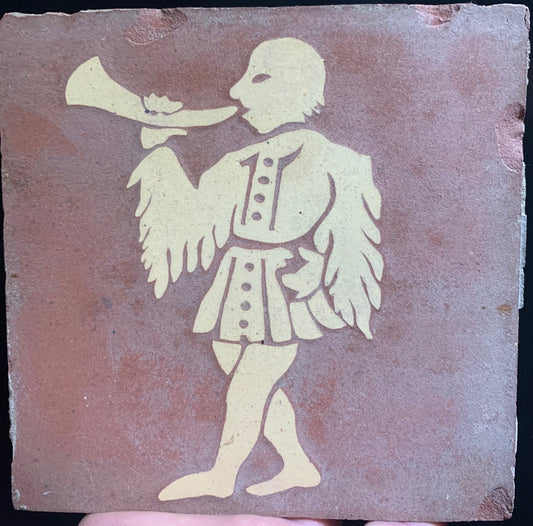
Antique objects are primarily everyday or symbolic items that have survived through the ages. They tell the story of how people lived, worked, traveled, and cared for themselves in the past.
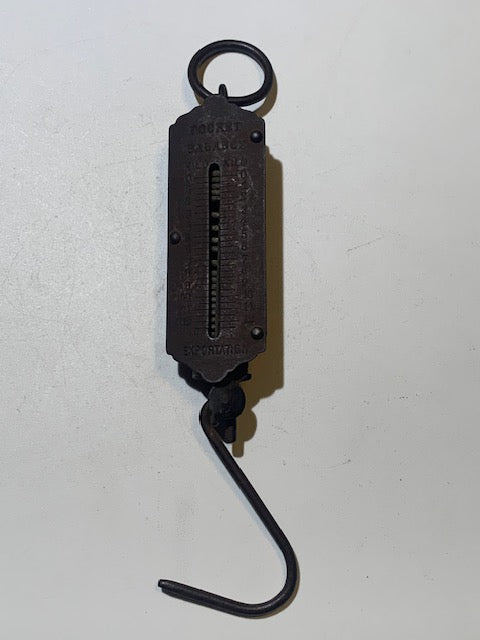
An antique watch, a farming tool, a yellowed book, or a piece of period furniture all bear the marks of their use and the craftsmanship of those who made them. They allow us to understand the evolution of techniques, lifestyles, and the values of a society.
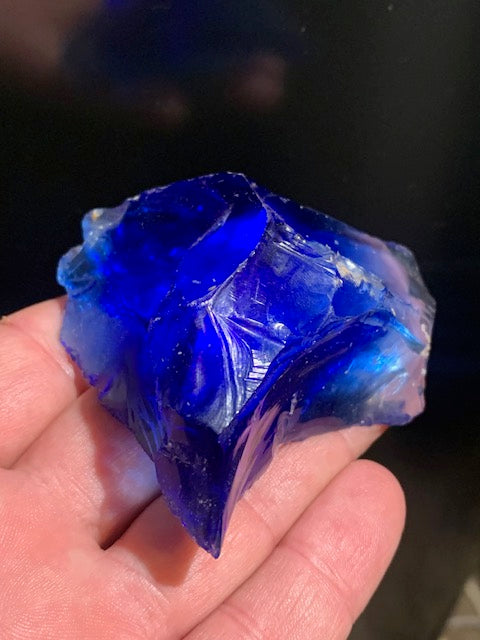
Objects of curiosity , on the other hand, primarily arouse fascination. They intrigue because of their shape, their strange function, or their mysterious origin.
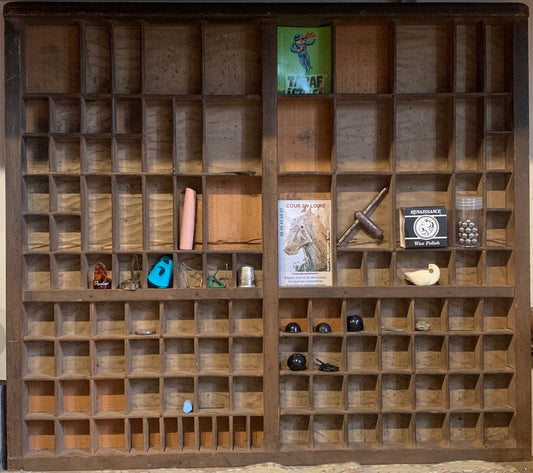
One example is the cabinets of curiosities, very popular during the Renaissance, where rare, unusual, or exotic objects were displayed: fossils, scientific instruments, objects from distant lands, or unusual artistic creations. These objects were intended to arouse surprise, reflection, and wonder.
What connects antique objects to curiosities is their power to tell stories . Even without words, they invite observation and imagination. An object can raise questions: What was it used for? Who used it? Why was it preserved? In this way, they stimulate our intellectual curiosity and creativity.
Today, in a world dominated by technology and rapid production, these objects remind us of the importance of time, transmission, and memory. Preserving and valuing them means safeguarding a part of our cultural and human heritage.
In conclusion, antique objects and curiosities are not mere relics of the past. They are bridges between generations , sources of knowledge and inspiration, and invitations to look at the world with curiosity and respect.