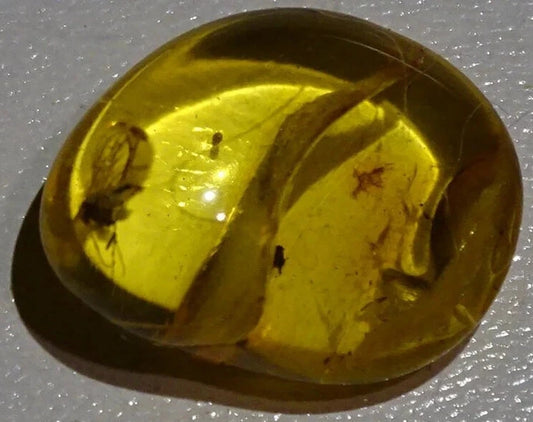
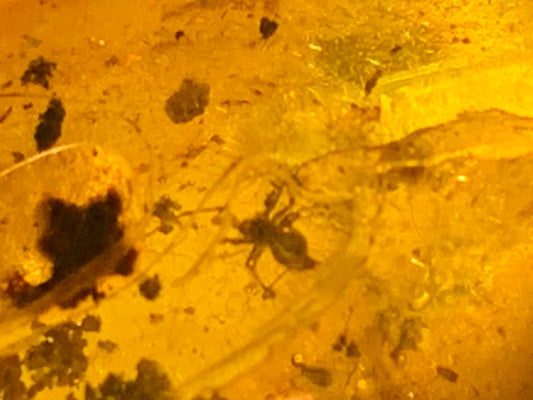
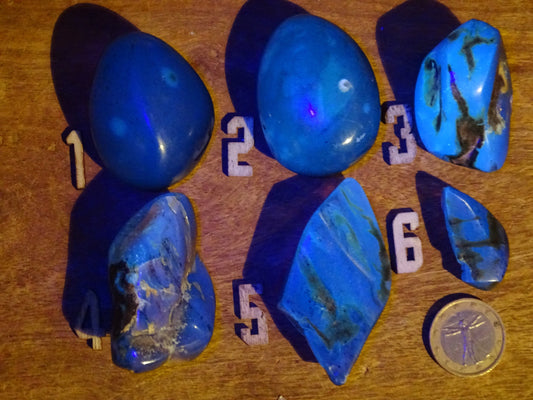
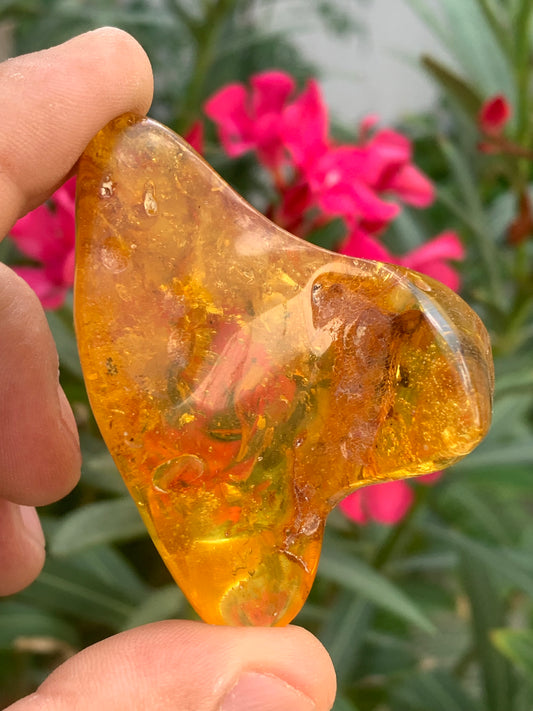
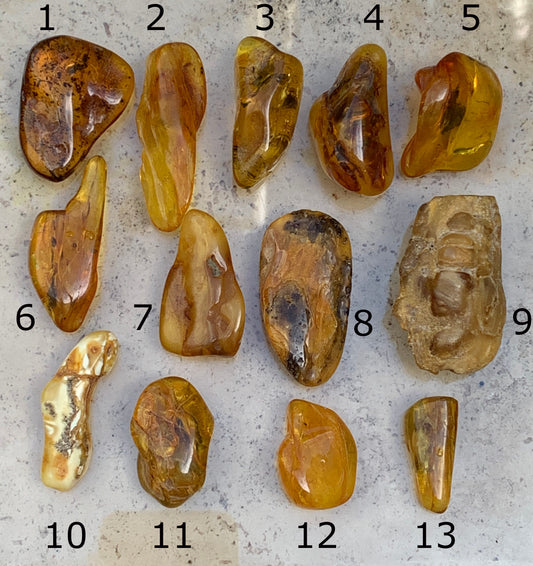
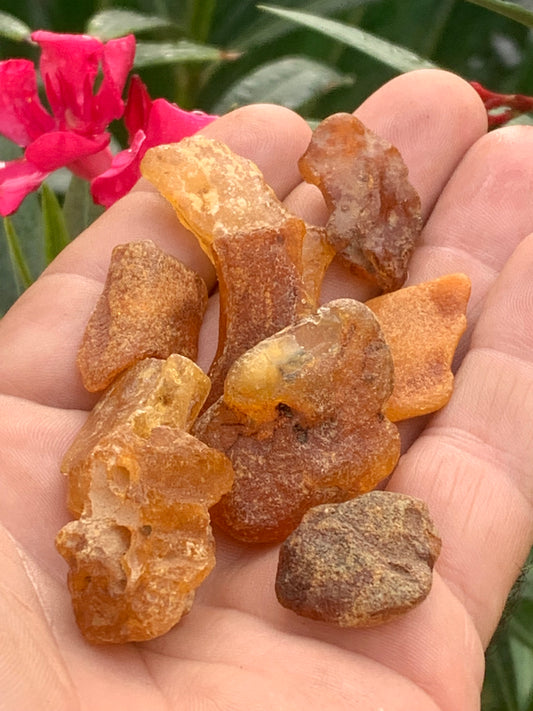
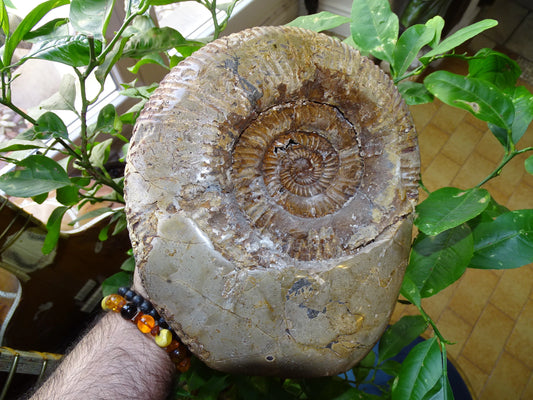
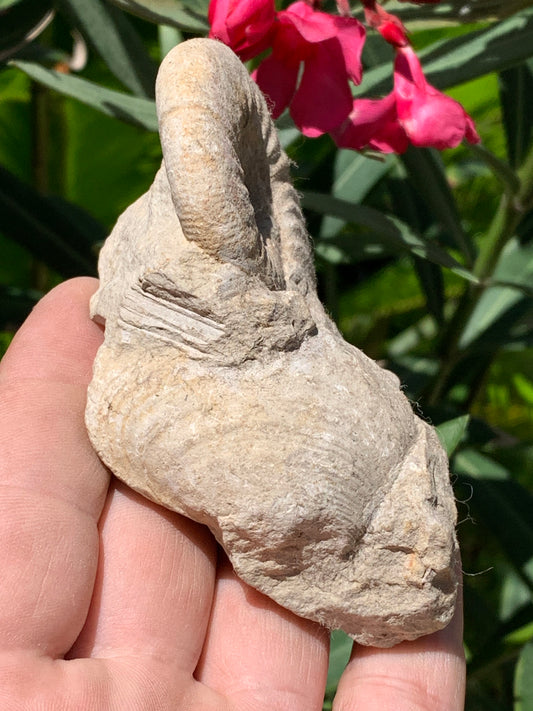
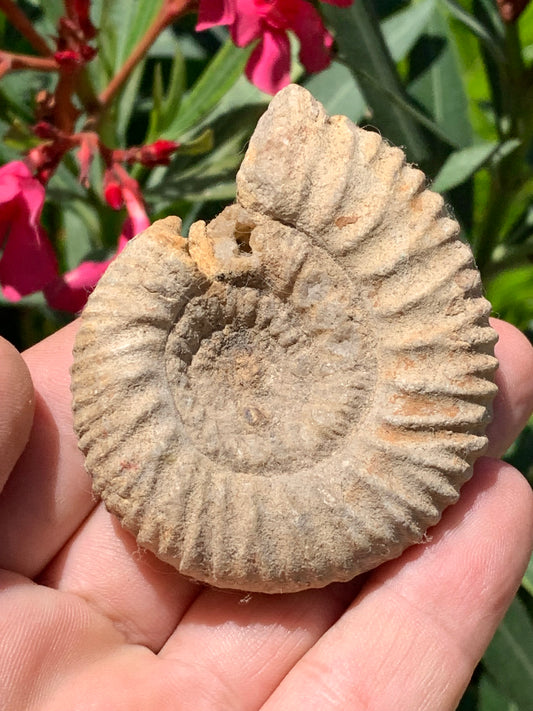
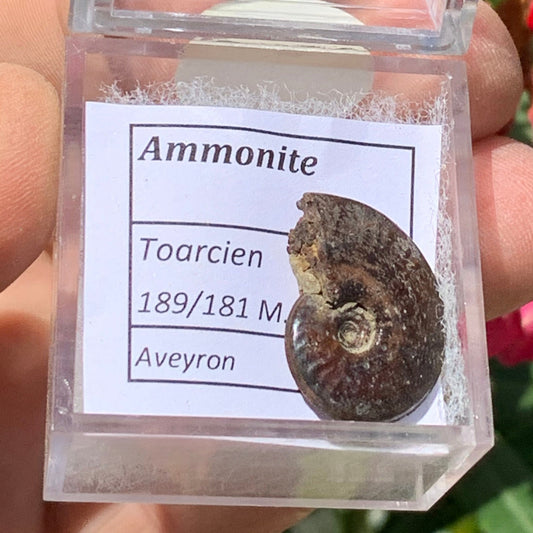
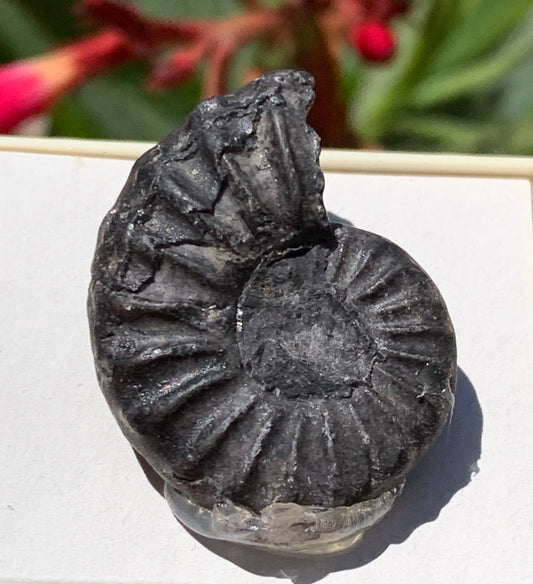
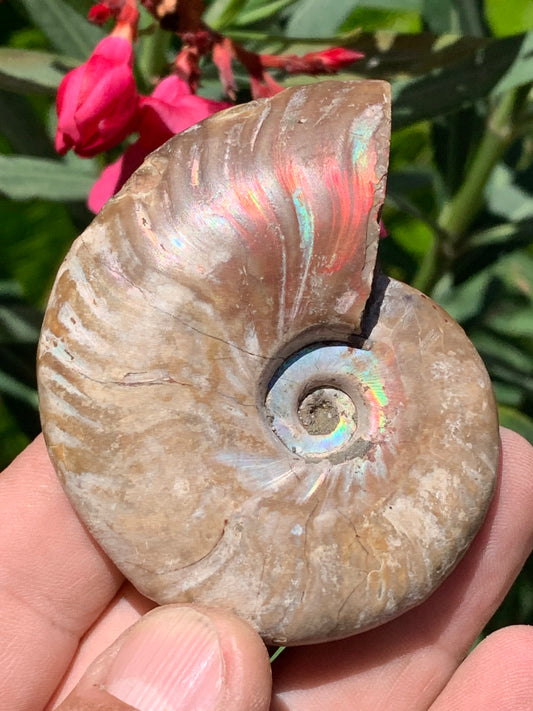
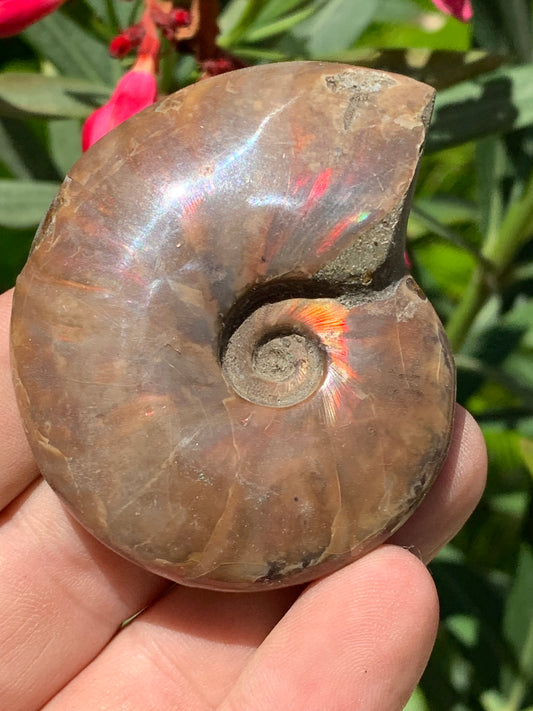
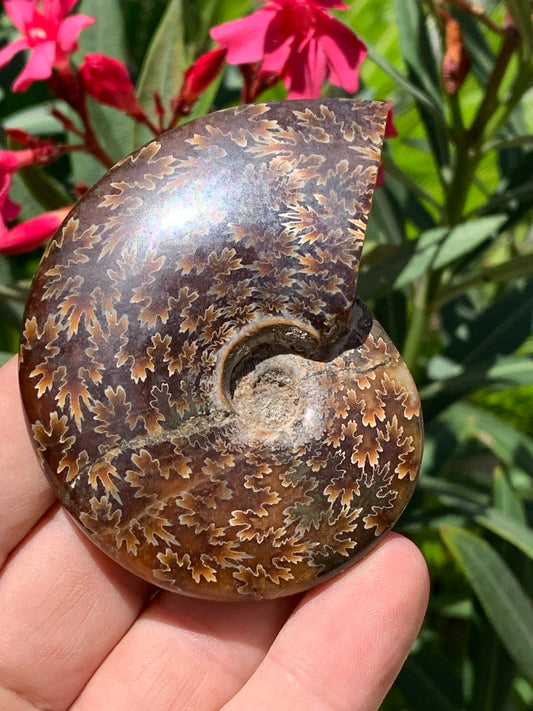
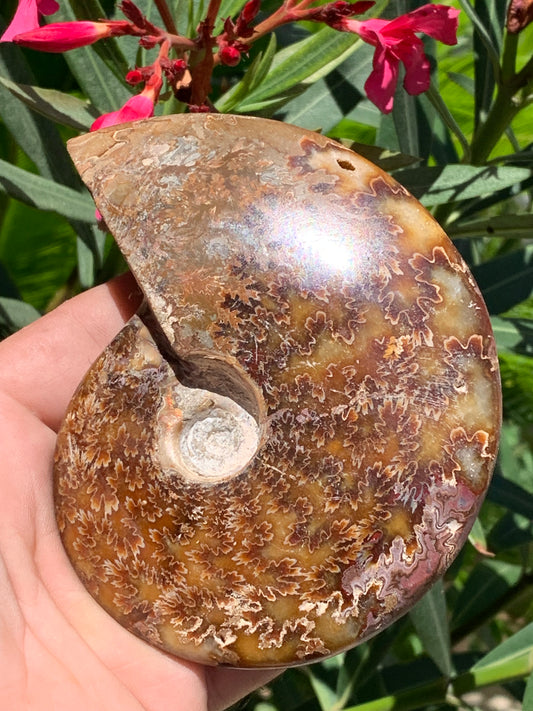
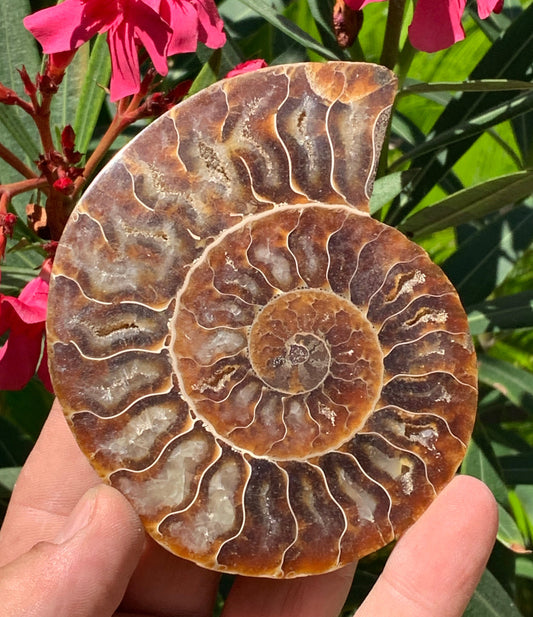
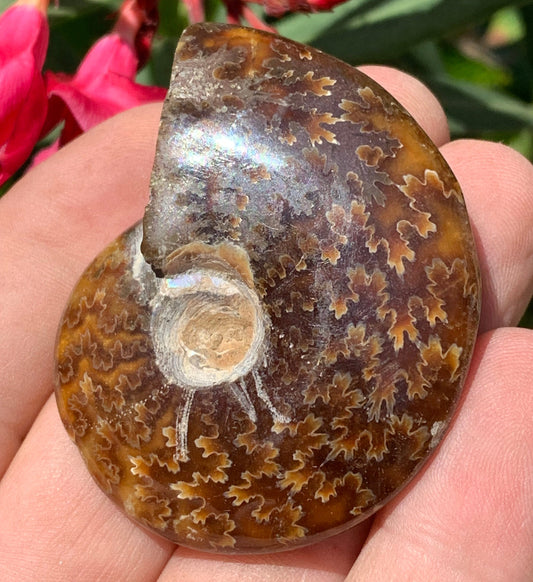
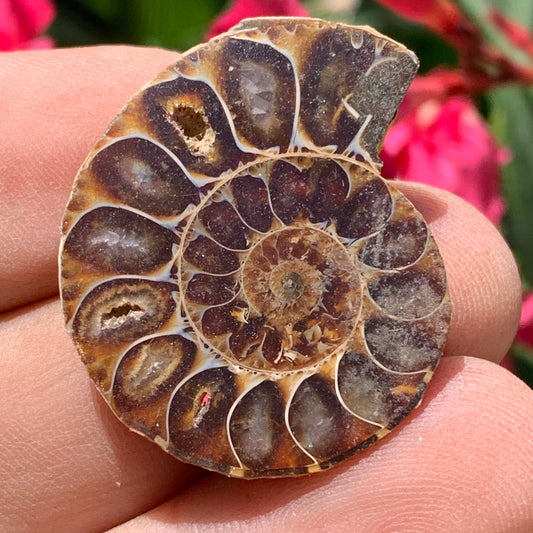
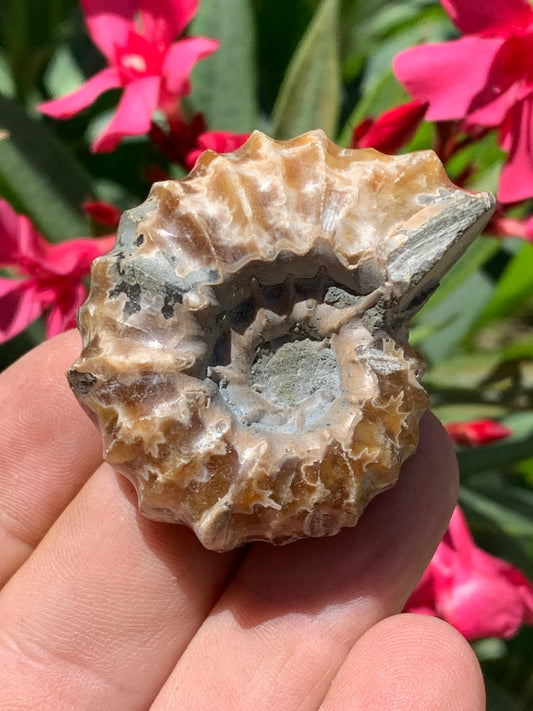
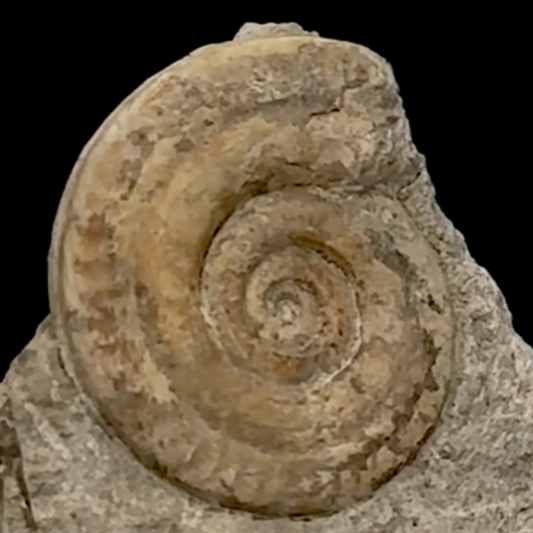
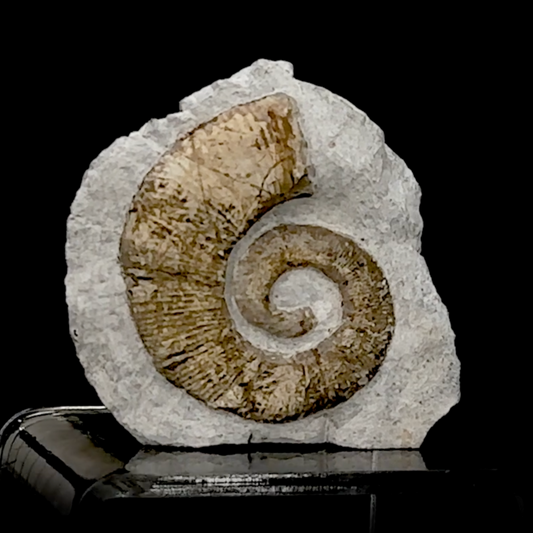
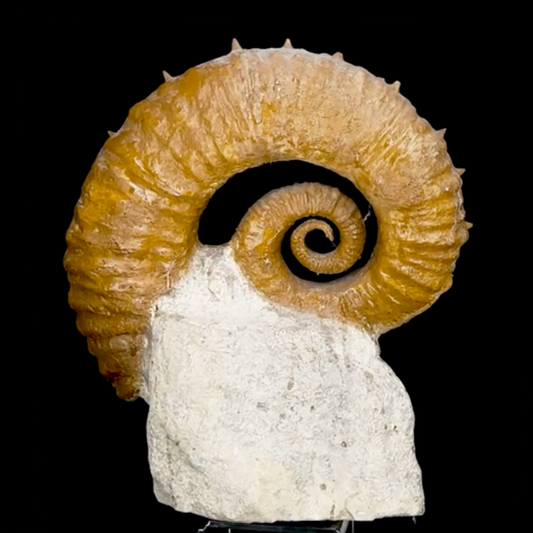
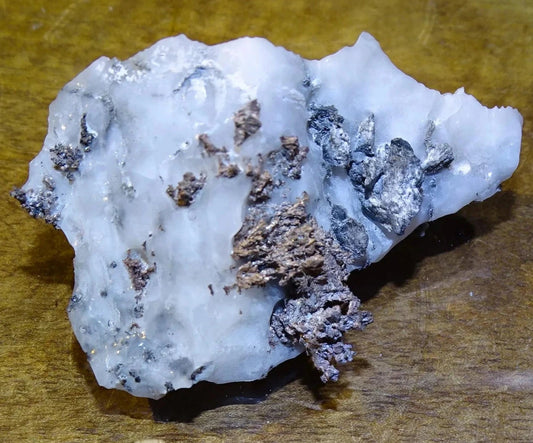
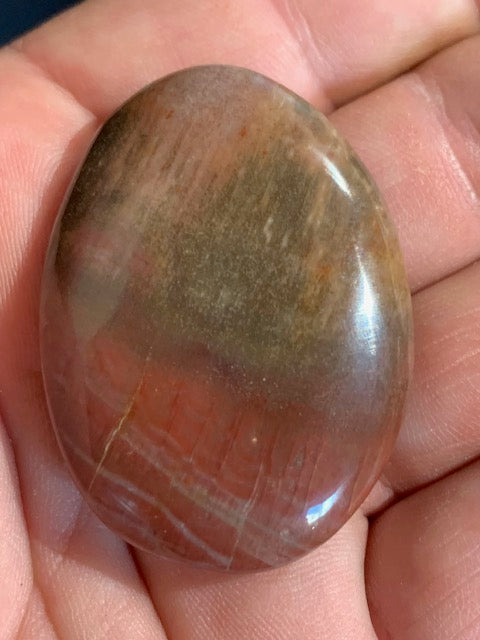
Fossils, native metals (Silver, Copper, Gold...), and meteorites are highly sought after by collectors and enthusiasts.
Their vibrant colors, intricate patterns, and unique shapes make them objects of fascination.
For centuries, meteorites, native metals, and fossils have been revered as sacred objects by various cultures and civilizations. Ammonites, nautiloids, turritellas, sea urchins... each fossil, each meteorite tells an ancient story.
Whether you are looking for a paleontology enthusiast, a mineralogy devotee, or a curious amateur, delve into the history of our planet by acquiring quality pieces.
→ How does a fossil form?
Fossilization occurs by permineralization: the pores of the bone, for example, are filled with minerals (silica, calcite, pyrite...) or by total replacement: the organic matter is entirely replaced by minerals.
- The minerals involved are often:
- Calcite (CaCO₃): common in marine or lacustrine environments.
- Silica (SiO₂): produces very hard fossils.
- Calcium phosphate: in bone or tooth fossils (like apatite).
- Sometimes pyrite (FeS₂) in anoxic environments.
→ What are native metals?
Native metals are minerals consisting of a single metallic element present in its pure state in nature, without being chemically combined with other elements.
Unlike most metals extracted from ores (oxides, sulfides, carbonates...), native metals are found directly in their natural metallic form.
Among the best known are gold, silver, copper, but also, more rarely, platinum or mercury.
They form under specific geological conditions, often related to hydrothermal or magmatic processes.
Their crystalline structure and physical properties (high density, metallic luster, conductivity) make them easily recognizable.
Historically, native metals played a major role in the development of civilizations, as their natural accessibility allowed for their early use in making tools, coinage, and jewelry.
→ What is a meteorite?
A meteorite is a fragment of rock or metal from space that has traveled through Earth's atmosphere before reaching the ground.
It generally originates from asteroids located between Mars and Jupiter, more rarely from the Moon or Mars.
Upon entering the atmosphere, intense friction causes significant heating, forming a dark fusion crust on the surface.
There are three main categories: stony meteorites (chondrites and achondrites), metallic meteorites rich in iron and nickel, and mixed meteorites called stony-irons.
Direct witnesses to the formation of the solar system over 4.5 billion years ago, they are valuable for scientific research.
Highly sought after by collectors, meteorites fascinate with their cosmic origin and unique character, true fragments of the universe fallen to Earth.